For a lot of people these days, wellness is at the top of their list of things to do. People are always looking for ways to improve their health, vitality, and general well-being. Taking supplements is one of the most prevalent ways to reach these aims. But there are so many choices that it can …
For a lot of people these days, wellness is at the top of their list of things to do. People are always looking for ways to improve their health, vitality, and general well-being. Taking supplements is one of the most prevalent ways to reach these aims. But there are so many choices that it can be hard to choose. Do you really need to take supplements? Or can you be as healthy as possible by eating a balanced diet and living a healthy life?
This beginner’s guide to wellness will look at how supplements can help your health, when you need them, and how to tell if they are good for you. Let’s get started!
What are Supplements?
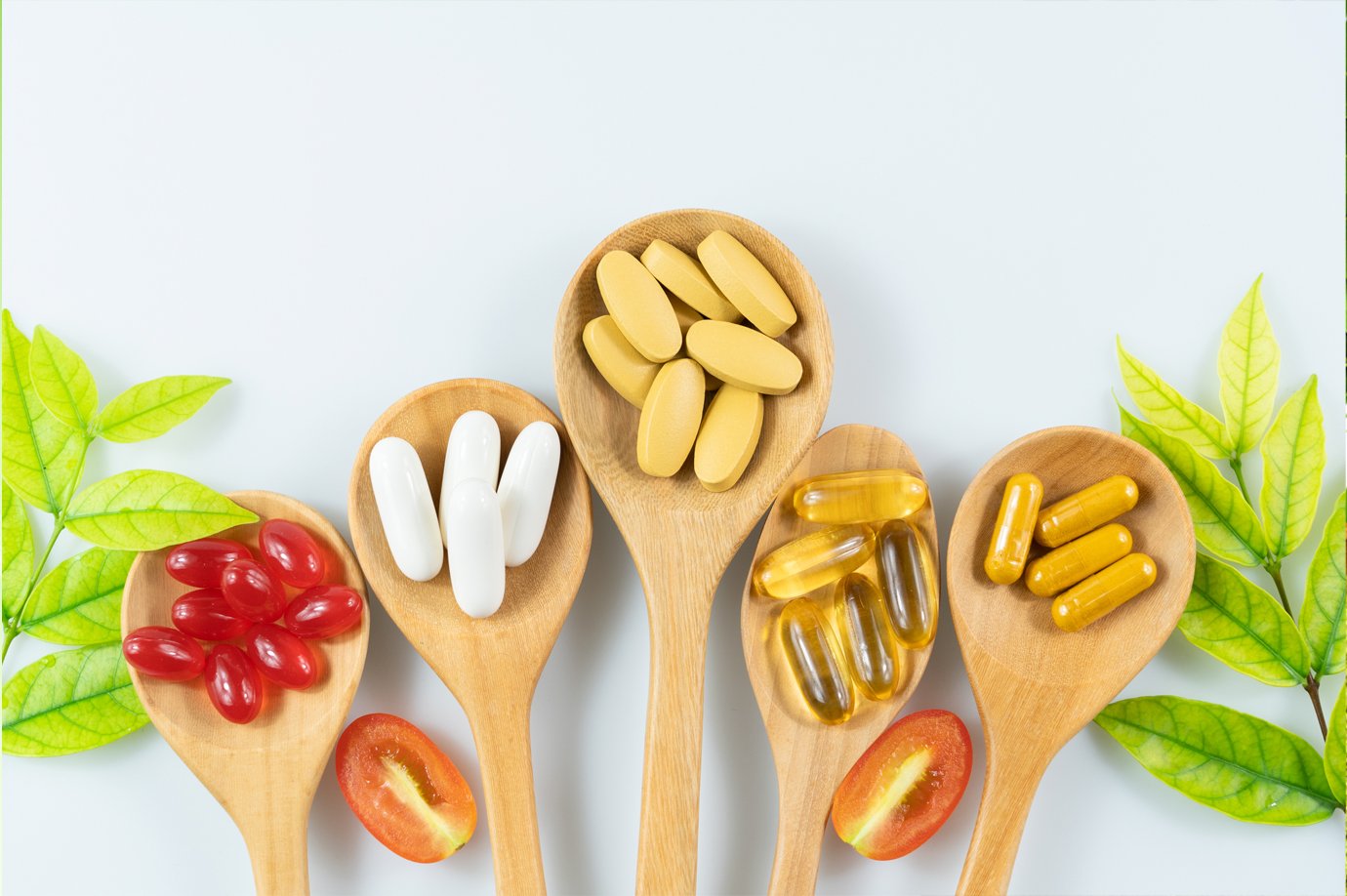
Supplements are things that are meant to add to your diet. They can be pills, powders, liquids, or even gummies, among other things. They have vitamins, minerals, herbs, amino acids, and fatty acids in them, all of which are supposed to help your health or give you nutritional benefits.
Businesses that sell supplements say they may enhance everything from immune function to skin health, but do they truly work?
The Role of Supplements in Wellness
Our bodies need a lot of different nutrients to work well. Food is the best source of these nutrients, but supplements can be a quick way to make up for missing nutrients. That being said, you shouldn’t think of supplements as a substitute for a healthy diet.
Supplements come in here:
- Filling Nutritional Gaps: Supplements can help fill in the gaps in your diet if you don’t get enough of particular nutrients or if you have dietary limitations, such as vegan or gluten-free.
- Supporting Specific Health Goals: Some people take supplements to help with specific health problems, such getting more energy, improving digestion, or speeding up muscle recovery.
- Preventing Deficiencies: Sometimes, supplements can help keep you from not getting enough of important nutrients like vitamin D or iron. This can happen if you don’t eat enough of them or if you have trouble absorbing them.
- Convenience: For busy people, it’s sometimes easier to take supplements than to try to get a certain nutrient from food.
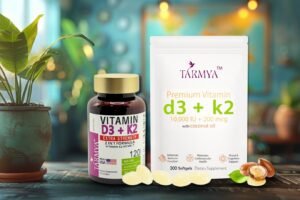
Also read: Why You Should Take a Vitamin D3 K2 Supplement in Your Daily Routine
Do You Really Need Supplements?
A lot of individuals want to know if they really need supplements, especially if they consume a balanced diet that is mostly made up of whole foods. There isn’t a clear answer. It relies on a number of things, such as:
1. Your Diet
You might not require supplements if you consume a balanced diet that includes fruits, vegetables, whole grains, lean proteins, and healthy fats. Most of the vitamins and minerals your body needs come from a varied, nutrient-dense diet. But some minerals are harder to get from food than others.
Nutrients That Are Hard to Get from Food:
- Vitamin D: The body makes this vitamin when it is in the sun, but those who live in places with little sunlight or spend most of their time indoors may not get enough of it.
- Omega-3 Fatty Acids: Salmon and sardines are two types of fatty fish that are fantastic providers of omega-3s, but a lot of people don’t consume enough fish to get enough of them.
- B12: B12 is mostly found in animal sources, thus persons who follow a vegan or vegetarian diet may have a hard time getting enough of it without taking a supplement.
2. Age and Health Issues
As you get older, your body may not be able to absorb some nutrients as well. For instance, older people may require more vitamin D, calcium, and B12 to keep their bones healthy and their brains working well. Some medical ailments, such digestive problems, can also affect how well nutrients are absorbed, which means that supplements are needed.
3. Lifestyle Factors
Your lifestyle has a big impact on whether or not you need supplements. If you work out a lot or are an athlete, you might need more protein, vitamins, and minerals to help your muscles heal and recover. People who are pregnant or breastfeeding also need more nutrients and may need certain supplements to get them.
4. Environmental Factors
You could not get enough vitamin D naturally if you live in a place that doesn’t get a lot of sun or work inside a lot. If you don’t eat enough of certain foods, like fish for omega-3s or leafy greens for magnesium, supplements might help fill up the gaps.
Common Supplements and Their Benefits
Supplements aren’t a cure-all for health problems, but some do work, especially when taken to fix specific health issues or deficiencies. Here are some of the most popular supplements and what they might do for you:
- Vitamin D: For good health, strong bones, and a strong immune system, you need vitamin D. A lot of individuals don’t get enough vitamin D because they don’t get enough sun, especially in the winter. Taking vitamin D supplements can help your bones become denser, boost your immune system, and even help you control your mood.
- Probiotics: Probiotics are living microorganisms that help keep your gut microbiota healthy. A healthy gut is important for digestion, immunity, and mental health. People with digestive problems including bloating, diarrhea, or irritable bowel syndrome (IBS) may benefit from taking probiotics.
- Omega-3s: Essential fats called omega-3s are found in fish oil and algae-based supplements. They help the brain work, keep the heart healthy, and control inflammation. Most individuals don’t get enough omega-3s from food, which is why they are often told to take supplements.
- Magnesium: Magnesium plays a role in more than 300 chemical reactions in the body, such as how muscles and nerves work and how energy is made. A lot of people don’t get enough magnesium, which might make them tired, give them muscle cramps, and make them anxious. Taking magnesium supplements may help you sleep better, relax, and recover from muscle soreness faster.
- Multivitamins: Many people choose multivitamins because they can get a lot of different nutrients in one easy-to-take pill. They can’t substitute a balanced diet, but they can help fill in the gaps. But it’s vital to pick a good multivitamin that has enough of each nutrient, as some cheap brands use lower-quality ingredients.
How to Know if You Need Supplements
Before you start taking supplements, you should think about what your body requires. Here are some things you can do:
- Check your diet: Are you eating a lot of different foods that are good for you? Some nutrients might assist if not.
- Talk to a healthcare professional: A doctor or nutritionist can help you figure out if you have any deficiencies or health problems that could need further treatment.
- Consider your health and lifestyle: Are you pregnant, aged, or an athlete? These things can change how much nutrients you need.
- Get Tested: Blood testing can show if you are missing any nutrients that you might need to take more of.
Conclusion
At Tarmya Wellness, we offer a range of supplements tailored to meet all your health needs. Whether you’re looking to boost energy, support immunity, enhance digestion, or fill any nutritional gaps, we have a solution for you.
Before introducing any new supplements into your routine, it’s always a good idea to do your research. If you’re unsure which products are best for you, feel free to consult with a healthcare professional to personalize your approach.
Remember, wellness is a journey-not a quick fix. Supplements from Tarmya Wellness are just one small but important part of your bigger health picture, designed to support you every step of the way.