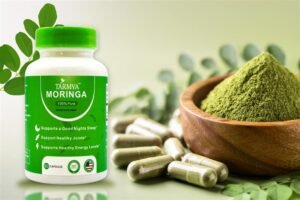
In today’s fast-paced world, where convenience often trumps nutrition, vitamins and supplements have become an essential part of many people’s health routines. From multivitamins and protein powders to omega-3 capsules and herbal extracts, the market is flooded with products promising better energy, immunity, and overall well-being. But the truth is, not all supplements are necessary, …
In today’s fast-paced world, where convenience often trumps nutrition, vitamins and supplements have become an essential part of many people’s health routines. From multivitamins and protein powders to omega-3 capsules and herbal extracts, the market is flooded with products promising better energy, immunity, and overall well-being. But the truth is, not all supplements are necessary, and knowing which ones genuinely benefit your body can be overwhelming. This guide will break down the essential vitamins and supplements, their roles, sources, and how to use them wisely.
Understanding Vitamins: The Building Blocks of Health
Vitamins are organic compounds that our bodies need in small amounts to function properly. They play a crucial role in everything from energy production and immune defense to bone health and brain function. Vitamins are classified into two main categories:
- Fat-Soluble Vitamins
These vitamins dissolve in fat and can be stored in the liver and fatty tissues for later use. The main fat-soluble vitamins are:- Vitamin A: Essential for vision, immune function, and skin health. Found in carrots, sweet potatoes, spinach, and liver.
- Vitamin D: Supports bone health by helping the body absorb calcium. Natural sources include sunlight, fatty fish, and fortified dairy products.
- Vitamin E: An antioxidant that protects cells from damage. Sources include nuts, seeds, and vegetable oils.
- Vitamin K: Crucial for blood clotting and bone health. Found in leafy greens, broccoli, and Brussels sprouts.
- Vitamin A: Essential for vision, immune function, and skin health. Found in carrots, sweet potatoes, spinach, and liver.
- Water-Soluble Vitamins
These dissolve in water and are not stored in the body, so they need to be replenished regularly. Water-soluble vitamins include:- Vitamin C: Important for immune function, collagen synthesis, and antioxidant protection. Found in citrus fruits, berries, bell peppers, and broccoli.
- B Vitamins (B1, B2, B3, B5, B6, B7, B9, B12): These play a key role in energy production, brain function, and red blood cell formation. Sources include whole grains, meats, eggs, dairy, legumes, and leafy greens.
- Vitamin C: Important for immune function, collagen synthesis, and antioxidant protection. Found in citrus fruits, berries, bell peppers, and broccoli.
Tip: A balanced diet rich in colorful fruits, vegetables, lean proteins, and whole grains usually provides sufficient vitamins. Supplements should ideally fill gaps rather than replace food.
Minerals: The Unsung Heroes
Minerals are inorganic nutrients essential for various bodily functions, including bone strength, nerve function, and fluid balance. Important minerals include:
- Calcium: Vital for strong bones and teeth. Sources include dairy, leafy greens, and fortified plant-based milks.
- Magnesium: Supports muscle function, energy production, and nerve signaling. Found in nuts, seeds, whole grains, and green vegetables.
- Iron: Necessary for transporting oxygen in the blood. Sources include red meat, beans, lentils, and spinach.
- Zinc: Supports immune health, wound healing, and DNA synthesis. Found in meat, shellfish, legumes, and seeds.
- Potassium: Helps regulate fluid balance, nerve signals, and muscle contractions. Found in bananas, oranges, potatoes, and beans.
Just like vitamins, minerals are ideally obtained from whole foods. Over-supplementing can lead to toxicity, so moderation is key.
Common Supplements and When They’re Needed
1. Multivitamins
Multivitamins are a convenient way to cover basic nutritional gaps, especially for people with busy lifestyles, restrictive diets, or certain health conditions. However, research suggests that for most healthy adults eating a balanced diet, multivitamins may not provide significant additional benefits. They can be useful for those with specific deficiencies or dietary restrictions (e.g., vegans needing B12).
2. Vitamin D
Vitamin D deficiency is common, particularly in regions with limited sunlight. Low vitamin D levels can lead to weak bones, fatigue, and impaired immune function. Supplements are often recommended for older adults, people with darker skin, or anyone with minimal sun exposure.
3. Omega-3 Fatty Acids (Fish Oil)
Omega-3s, particularly EPA and DHA, are crucial for heart, brain, and eye health. Fatty fish like salmon, mackerel, and sardines are rich sources, but fish oil supplements are popular for those who do not consume enough seafood. Plant-based options like flaxseed and algae oils are alternatives for vegans.
4. Probiotics
Probiotics are live bacteria that support gut health and digestion. They can be beneficial for people with digestive issues or after antibiotic treatment. Fermented foods like yogurt, kefir, kimchi, and sauerkraut are natural sources, while supplements provide specific strains in controlled doses.
5. Protein Supplements
Protein powders, bars, and shakes help meet daily protein needs, especially for athletes, bodybuilders, or people on vegetarian/vegan diets. While whole foods should be the primary source, protein supplements are convenient and effective for those struggling to meet their requirements through food alone.
6. Herbal and Specialty Supplements
Some herbs and plant extracts, such as turmeric (curcumin), ashwagandha, and ginseng, may support specific health goals like reducing inflammation, stress, or fatigue. The evidence varies, so consulting a healthcare professional is important before starting herbal supplements.
How to Determine Your Needs
Determining which vitamins or supplements are necessary depends on several factors:
- Diet: A nutrient-rich diet reduces the need for supplements. Tracking your intake through apps or food diaries can reveal potential gaps.
- Age: Nutrient requirements change with age. For example, older adults often need more calcium, vitamin D, and B12.
- Lifestyle: Active individuals or those under high stress may require extra nutrients like magnesium or antioxidants.
- Health Conditions: Certain conditions or medications can interfere with nutrient absorption, necessitating supplementation.
- Lab Tests: Blood tests can help identify deficiencies, such as vitamin D, B12, or iron, allowing targeted supplementation rather than guesswork.
Tips for Safe Supplement Use
Supplements can be beneficial, but misuse or overuse can be harmful. Here’s how to use them safely:
- Consult a Professional: Speak with a doctor or registered dietitian before starting any supplement, especially if you have chronic conditions or take medications.
- Follow Dosage Instructions: More is not always better. Over-supplementation can lead to toxicity, such as vitamin A or iron overload.
- Check Quality: Choose reputable brands with third-party testing to ensure purity and potency.
- Avoid Megadoses: High doses of certain vitamins (like E or D) may be harmful. Stick to recommended daily allowances unless prescribed.
- Combine with a Healthy Diet: Supplements should complement, not replace, a nutrient-rich diet.
Conclusion
Vitamins and supplements can play a valuable role in maintaining health, filling nutritional gaps, and supporting specific physiological needs. However, the foundation of wellness is a balanced diet, adequate sleep, regular exercise, and stress management. Supplements are tools, not magic bullets.
Before adding anything new to your routine, assess your diet, lifestyle, and individual health needs. Use supplements strategically, focus on evidence-based options, and consult professionals when in doubt. By understanding what your body truly needs, you can invest in your long-term health wisely-without falling prey to marketing hype or unnecessary pills.
In the end, optimal health isn’t about taking every vitamin on the shelf; it’s about giving your body the right nutrients, in the right amounts, at the right time.