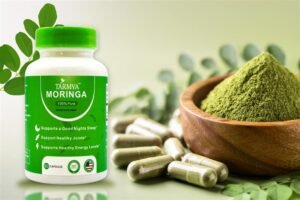
In our modern world, maintaining optimal health has become more complex than ever. With a constant influx of information on diets, exercise routines, and wellness trends, it can be difficult to discern what really works for long-term health. One area that consistently comes up in health discussions is the role of vitamins and supplements. While …
In our modern world, maintaining optimal health has become more complex than ever. With a constant influx of information on diets, exercise routines, and wellness trends, it can be difficult to discern what really works for long-term health. One area that consistently comes up in health discussions is the role of vitamins and supplements. While they’re often marketed as the ultimate solution for feeling good, the truth is that they should complement-not replace-a well-balanced lifestyle.
In this blog, we’ll explore how vitamins and supplements can become essential tools in your wellness toolkit, offering a deeper understanding of how to use them effectively as part of your long-term health strategy.
The Foundation of Wellness: Diet, Sleep, and Exercise
Before diving into the specifics of vitamins and supplements, it’s crucial to understand that these should never replace foundational health habits like eating a balanced diet, getting adequate sleep, and staying active. These lifestyle habits form the basis of any health and wellness journey. Nutrition, physical activity, and sleep work synergistically to maintain a robust immune system, promote heart health, balance hormones, and keep your body functioning optimally.
A diet rich in fruits, vegetables, whole grains, lean proteins, and healthy fats provides the necessary vitamins, minerals, and antioxidants to support bodily functions. Exercise improves circulation, muscle strength, and cardiovascular health, while sleep plays a key role in tissue repair, brain function, and overall wellbeing.
Even with a well-rounded lifestyle, however, there are times when our body’s nutritional needs may exceed what we can obtain from food alone, making vitamins and supplements valuable allies in your wellness toolkit.
Understanding Vitamins & Supplements: A Supportive Role
Vitamins and supplements are meant to supplement the gaps in our diets and provide additional support when our bodies need it. They can support everything from immune function to joint health, digestion, and cognitive function. It’s important to remember that no single supplement can work wonders if your overall lifestyle isn’t supportive of long-term health.
For instance, vitamin D is essential for bone health and immune function, but it can be difficult to get enough from food alone, especially for those who live in regions with limited sunlight. Vitamin B12 is another example, crucial for energy production and nerve health, but is mainly found in animal products-making it difficult for vegans and vegetarians to meet their needs through diet alone.
The key to using vitamins and supplements effectively is knowing what to take, when to take it, and why it’s important for your specific needs. Let’s break down some of the most popular and beneficial vitamins and supplements that can aid in your wellness journey.
Vitamin D: The Sunshine Vitamin
Vitamin D, often referred to as the “sunshine vitamin,” is one of the most well-known and important supplements to include in your wellness toolkit. It plays a vital role in maintaining healthy bones and a strong immune system. Vitamin D is produced by your body when your skin is exposed to sunlight, but many people don’t get enough sun exposure to meet their daily needs, especially in northern latitudes during the winter months.
Inadequate levels of vitamin D have been linked to a variety of health issues, including osteoporosis, depression, and a weakened immune system. Supplementing with vitamin D can help address these gaps. Ideally, a blood test can confirm your vitamin D levels, and supplementation can be adjusted accordingly.
Omega-3 Fatty Acids: Brain and Heart Health
Omega-3 fatty acids, particularly EPA and DHA, are essential fats that play a critical role in maintaining brain health, reducing inflammation, and supporting heart function. Omega-3s are found in fatty fish like salmon and sardines, as well as in flaxseeds, walnuts, and chia seeds. However, most people do not consume enough of these foods to get adequate amounts of omega-3s.
Studies show that omega-3 supplementation can help reduce the risk of chronic diseases such as cardiovascular disease, diabetes, and cognitive decline. Omega-3s are also known for their anti-inflammatory properties, which may aid in conditions like arthritis and general muscle soreness. Incorporating a high-quality fish oil supplement or plant-based algae oil can be an excellent way to support overall health.
Probiotics: Gut Health and Immunity
The gut microbiome, which consists of trillions of bacteria in the digestive tract, plays a central role in digestion, immunity, and even mental health. An imbalance in the gut flora has been linked to a host of health issues, including digestive problems, autoimmune disorders, and mental health challenges like anxiety and depression.
Probiotic supplements are designed to introduce beneficial bacteria into your gut to support a balanced microbiome. These supplements can help restore balance after an antibiotic regimen or promote digestive health. Probiotics come in various forms, including capsules, powders, and fermented foods like kimchi, sauerkraut, and yogurt.
While the benefits of probiotics are still being explored, many people find them useful for maintaining digestive health and boosting immunity. For those suffering from bloating, constipation, or even skin conditions like acne or eczema, a high-quality probiotic might be a game-changer.
Multivitamins: A Convenient All-in-One Option
While specific vitamins and minerals may have targeted benefits, a high-quality multivitamin can act as an effective insurance policy to ensure you’re covering all your nutritional bases. Multivitamins typically contain a variety of essential vitamins and minerals in one convenient tablet or capsule, offering a baseline of nutrients that may be missing from your diet.
However, it’s important to remember that multivitamins aren’t a substitute for a healthy diet, and the quality of multivitamins can vary widely. Choose a brand that is third-party tested to ensure that you’re getting the right doses of each nutrient, and be cautious of megadoses of vitamins, as they can be harmful in the long run.
Creating a Supplement Routine: Tips for Success
While incorporating vitamins and supplements into your wellness toolkit can provide benefits, they should be viewed as part of a holistic approach to health. Here are a few tips for creating a successful supplement routine:
- Start Slow: Introduce supplements one at a time and monitor their effects. This helps you gauge whether the supplement is beneficial or if there are any adverse reactions.
- Consult a Healthcare Provider: Before starting any new supplement regimen, it’s wise to consult a healthcare professional, especially if you have underlying health conditions or are taking other medications.
- Prioritize Quality: Not all supplements are created equal. Look for high-quality, bioavailable supplements from reputable brands that are third-party tested for potency and purity.
- Consistency is Key: Supplements work best when taken consistently over time. Set a daily reminder to take your vitamins and stick to a routine.
- Stay Balanced: Supplements should complement, not replace, a healthy diet. Focus on obtaining most of your vitamins and minerals from nutrient-dense whole foods.
Conclusion
Building a wellness toolkit that supports long-term health is a journey that requires commitment to foundational habits like diet, exercise, and sleep. When used effectively, vitamins and supplements can fill the nutritional gaps that may arise from lifestyle factors, age, or medical conditions. By thoughtfully selecting the right supplements for your individual needs and staying consistent with their use, you can enhance your overall health, increase your energy, and support a strong immune system.
Remember, supplements are just one piece of the puzzle in achieving optimal health, and a holistic approach that prioritizes balanced living is the key to wellness that lasts.